Air Ventilation Cleaning: Breathe Better With These Essential Tips
Air duct maintenance serves as an important component in maintaining a clean indoor environment. It helps eliminate dust, allergens, and pollutants that can affect air quality. Recognizing when ducts require service is vital for maximum HVAC performance. Homeowners frequently overlook the equipment and methods required for thorough cleaning. Understanding these aspects can significantly enhance comfort levels and energy efficiency. What actions should one implement to ensure cleaner air and a more efficient system?
How Air Duct Cleaning Strengthens Your Overall Wellness
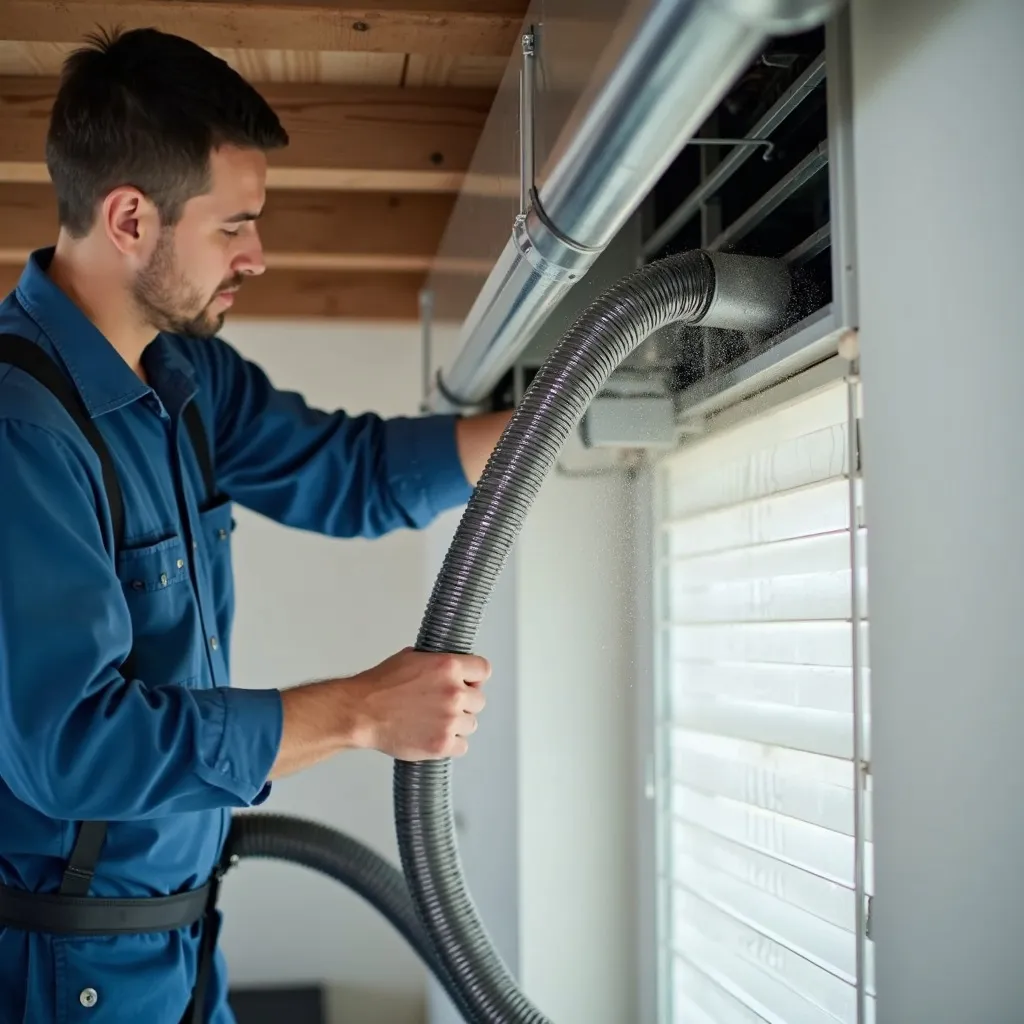
Air duct cleaning enhances indoor air quality, creating improved health for occupants. Over time, pollutants, dust, and allergens accumulate within the ductwork, flowing through the air. This accumulation can worsen health problems, allergies, and respiratory issues. By eliminating these impurities, air duct cleaning reduces the likelihood of airborne illnesses and promotes a cleaner home atmosphere.
Furthermore, well-maintained air ducts can enhance the output of heating and cooling systems, producing more consistent temperatures and reduced energy intake. This plays a role in overall comfort while also minimizing exposure to detrimental pollutants that can be released when systems are poorly maintained.
Consistent cleaning of air ducts ensures that fresh, clean air circulates throughout the home, promoting better sleep, increased energy levels, and overall well-being. Ultimately, maintaining clean air ducts is a essential step in protecting the health of all occupants.
Evidence Your Ducts Require Cleaning?
Air duct maintenance is essential for sustaining a healthy living environment. Homeowners should stay vigilant for several clues that suggest duct servicing is necessary.
One prominent sign is visible dust or debris around vents or the air filter, pointing to accumulated dirt within the ducts. Additionally, if occupants encounter increased allergy symptoms, such as sneezing or congestion, it may signal that pollutants are circulating in the air.
Unpleasant smells coming out of vents can also indicate mold development or stagnant debris. Moreover, if the HVAC system is running inefficiently, needing frequent repairs or resulting in inconsistent temperatures, dirty ducts could be the culprit.
Finally, an increase in energy bills might indicate a blocked unit having difficulty distributing air properly. Identifying these indicators can help ensure prompt maintenance and preserve optimal interior air conditions.
DIY Air Duct Cleaning Supplies You Must Have
Keeping fresh air ducts necessitates the suitable tools to ensure efficient DIY cleaning. Critical tools for this undertaking feature a vacuum cleaner equipped with a HEPA filter, which captures small particles and allergens.
A set of brushes, specially crafted for cleaning ducts, helps dislodge dirt and particles from the duct walls. Furthermore, a light source is essential for inspecting shadowy spaces in the duct system, ensuring thorough cleaning.
Protective gear, such as gloves and a dust mask, is vital to ensure safety while handling dust and possible contaminants. A screwdriver set is also necessary for taking off vent covers and access panels.
Finally, a wet rag can be used to wipe down vent areas after cleaning. Together, these tools create a comprehensive kit for anyone looking to tackle air duct cleaning effectively and safely.
Assemble Necessary Tools
Assembling the proper tools is imperative for an productive air duct cleaning operation. A premium vacuum cleaner with a HEPA filter is necessary for ridding dust and allergens.
A set of cleaning tools, featuring a long-handled duct brush, helps removing debris from the duct walls. Flexible duct cleaning rods can extend reach and facilitate access to hard-to-reach areas. Furthermore, having a flashlight allows for thorough inspection of the ducts' interiors.
Protective gear, such as gloves helpful information and masks, ensures safety during cleaning. Finally, a step ladder may be needed for reaching higher vents.
Set Up Your Space
A well-prepared space is essential for an efficient air duct cleaning procedure. First, the area around vents should be emptied of furniture and obstructions to enable easy access. This helps avoid any damage to belongings and guarantees a thorough cleaning.
Next, property owners should seal supply vents with plastic sheeting to trap dust and debris during the process. It is also advisable to turn off the HVAC system to avoid circulating contaminants.
Finally, positioning a vacuum equipped with a HEPA filter in close proximity can help trap any particles dislodged during cleaning. By implementing these measures, individuals establish an ideal setting that facilitates effective air duct cleaning and improves overall results.
Clean Ducts Thoroughly
Before embarking on the air duct cleaning procedure, it's necessary for house owners to understand the step-by-step approach that guarantees thoroughness and effectiveness.
Initially, one must collect required items, including a vacuum, brushes, and microfiber cloths. Subsequently, turn off the HVAC system to maintain safety.
Afterwards, detach the vent covers and clean them with warm soapy water. Utilizing a vacuum, cautiously remove dust and debris from the ducts. For deeper cleaning, apply duct brushes to remove stubborn particles.
After scrubbing, put the vent covers back in place and change the air filter. Finally, power the HVAC system back on and listen for any unusual sounds.
Picking a Qualified Air Duct Sanitizing Service
How can one secure that they select a reputable air duct cleaning service? First, it is vital to study potential providers carefully. Checking for certifications, such as those from the National Air Duct Cleaners Association (NADCA), ensures clients of conformance to industry standards.
Next, obtaining multiple quotes facilitates a review of solutions and costs. A reputable firm will conduct a detailed examination before offering an estimate, evading any false low-cost offers.
Additionally, inquire about the cleaning methods and equipment used; a reputable service will use advanced tools and techniques.
Finally, verify the company has appropriate coverage and is insured, protecting clients from potential damages.
How to keep pristine Air Ducts Year-Round
Keeping air ducts pristine year-round is vital for guaranteeing air quality inside your home and efficient system operation. Routine checks are important; property owners should examine ducts for dirt and particles accumulation every few months.
Premium air filtration systems can substantially lower pollutants when employed, since these filters trap smaller particles that conventional filters could overlook. It is prudent to change these filters every three months at minimum or per the maker's guidelines.
Additionally, lowering interior contaminants can aid in keeping duct cleanliness. This involves restricting dust-generating activities, such as cigarette smoking or burning certain candles, and ensuring sufficient ventilation when using cleaning products.
Regular cleaning of the home, including sweeping and wiping, helps decrease the amount of dust that could enter the ducts. Finally, scheduling a expert service every few years can additionally ensure that air ducts stay clear of dangerous accumulation, promoting a better indoor atmosphere.
Air Duct Cleaning: Expenses vs. Advantages
Examining the costs and benefits of air duct cleaning uncovers valuable information for homeowners. The initial investment typically ranges from $300 to $1,000, based on factors like the size of the home and the intricacy of the duct system.
While this might seem significant, the potential benefits often outweigh the costs. Clean air ducts can improve indoor air quality, reducing allergens and irritants. This may lead to fewer respiratory issues and lower healthcare costs over time.
Moreover, a well-maintained duct system can boost HVAC effectiveness, potentially cutting energy bills by 10-30%. Homeowners should also evaluate the durability of their HVAC systems.
Consistent cleaning can stretch the lifespan of the machinery, reducing the need for premature replacements. At the end of the day, considering the starting expenses against sustained health gains and energy efficiency can support homeowners make informed decisions regarding air duct maintenance.
Frequently Asked Questions
How Many Times Should I Service My Air Ducts?
Industry experts recommend regular air duct cleaning every three to five years. However, variables like pets, allergies, or recent renovations may demand more regular cleaning. Ongoing upkeep assures superior air quality and system efficiency for optimal performance.
Is It Feasible to Clean My Ducts Without Professional Help?
It's feasible to clean ducts by yourself, yet DIY approaches may not ensure complete results. Proper tools and techniques are essential for thorough duct cleaning, making professional assistance regularly a more reliable choice for superior air quality.
What Potential Risks Do Soiled Air Ducts Present?
Contaminated air ducts may cause poor indoor air quality, increasing allergens and pollutants. This can lead to respiratory issues, allergies, and overall discomfort. Additionally, built-up particles can reduce HVAC efficiency, raising energy costs.
Do Ductwork Cleaning Services Include Certifications?
Many ductwork cleaning services do provide guarantees, ensuring client contentment. These guarantees often include the standard of service delivery, delivering reassurance that the service will meet particular requirements and resolve any issues that occur after the cleaning process.
Should You Invest in Air Duct Cleaning Services?
Investing in air duct cleaning can be beneficial, as it improves indoor air quality, boosts HVAC efficiency, and potentially extend system lifespan. Homeowners often report noticeable benefits, making it a practical choice for many.